


How Short Journeys Affect Your Car—And What You Can Do About It
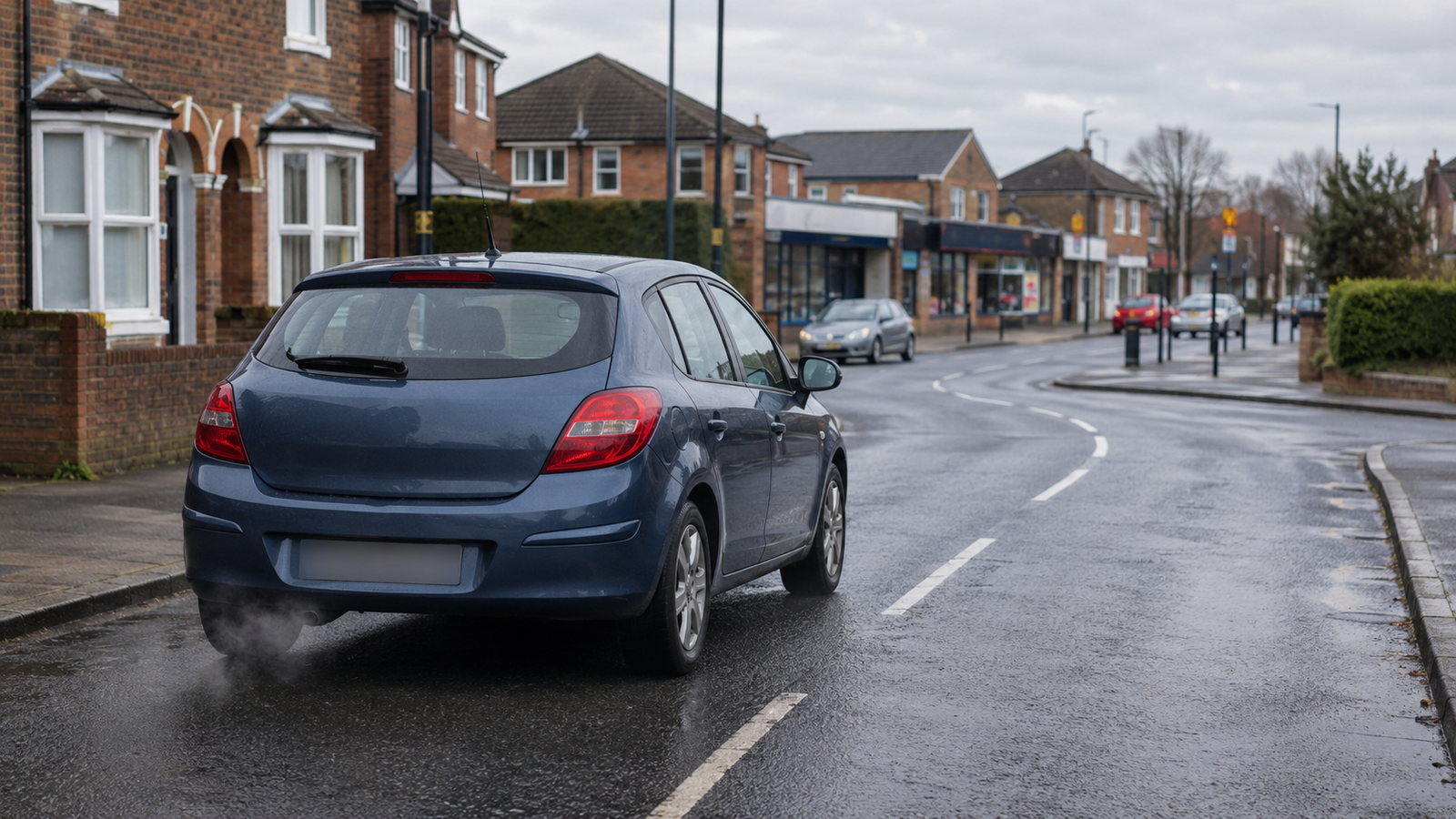
Many drivers use their cars mainly for short local journeys. You might drive a few minutes to work, take the children to school, visit the shops or make regular trips around Bletchley and Milton Keynes.
Although this type of driving may seem relatively easy on a vehicle, repeated short journeys can create their own maintenance problems. Your car may cover fewer miles, but its engine, battery, exhaust and other components may rarely have enough time to reach their normal operating conditions.
This does not mean that every short journey is harmful or that you need to avoid using your car locally. However, understanding the effects can help you adjust your driving and maintenance habits, identify warning signs and reduce the risk of unexpected repairs.
What Counts As A Short Journey?
There is no single distance that defines a short journey. It depends on the vehicle, engine, outside temperature, traffic and driving conditions.
In practical terms, a journey is short if it ends before the engine, engine oil, exhaust and related components have reached their intended operating temperatures.
The temperature gauge on the dashboard does not tell the complete story. It normally displays the temperature of the engine coolant, which may warm up before the oil, exhaust and emissions-control systems.
A journey across town could therefore still count as a short trip, particularly during cold weather or in slow-moving traffic.
Repeated Cold Starts Increase Engine Wear
Starting a cold engine is one of the more demanding stages of a journey.
Engine oil circulates as soon as the engine starts, but it takes time to warm up and flow as efficiently as it does at its normal operating temperature. Until that happens, internal components may experience greater friction.
Modern oils and engines are designed to cope with regular cold starts. The occasional short journey is unlikely to cause a noticeable problem. However, a vehicle used exclusively for short trips may experience more cold-start wear in relation to the number of miles it covers.
Cold engines also require a different fuel mixture while warming up. This can increase fuel consumption and produce more deposits than driving with the engine at its normal temperature.
The best approach is usually to start the vehicle, allow a brief moment for the systems to settle and then drive gently. Avoid hard acceleration and high engine speeds until the car has warmed up properly.
Short Journeys Can Drain The Battery
Starting the engine requires a substantial burst of electrical power from the battery. Once the engine is running, the charging system replenishes that energy.
If the journey lasts only a few minutes, the battery may not recover everything used during the start. This is especially likely during winter, when batteries are less efficient and drivers use more electrical equipment.
Heated windows, lights, windscreen wipers, heated seats, ventilation fans and entertainment systems all place additional demand on the battery.
If the same pattern is repeated several times a day, the battery’s charge can gradually decline. The vehicle may continue starting normally for a while, but eventually you might notice that the engine turns over more slowly or the car struggles to start altogether.
A healthy battery should cope with normal local driving, but age, cold weather and frequent short journeys can expose an already weakened unit. Periodic battery testing can identify declining performance before the vehicle leaves you stranded.
If the car is not used regularly, an appropriate battery maintainer may help. It must be compatible with the vehicle and connected according to the manufacturer’s instructions.
Moisture Can Collect In The Engine Oil
Water vapour is a natural by-product of combustion. When an engine reaches its full operating temperature, much of this moisture evaporates and is removed through the ventilation system.
During repeated short trips, the engine may not stay warm for long enough to remove it effectively. Small amounts of moisture can then collect in the engine oil and around internal surfaces.
Drivers sometimes notice a pale, creamy residue beneath the oil filler cap. In some cases, this can be caused by condensation resulting from short journeys. However, similar deposits can also be associated with more serious faults, including coolant entering the oil.
Do not assume that short-distance driving is always the explanation. If the residue is extensive, the coolant level is falling, the engine is overheating or the exhaust is producing unusual smoke, arrange a professional inspection.
Engine oil also deteriorates with time as well as mileage. A low-mileage car may still need regular oil changes, particularly if most of those miles involve cold starts and short journeys.
The Exhaust May Not Get Hot Enough
Water is also produced within the exhaust system. Once the exhaust becomes hot, much of that moisture turns to vapour and exits through the tailpipe.
When journeys are consistently short, water can remain inside parts of the exhaust. Over time, this may contribute to internal corrosion, particularly in older systems.
A small amount of water dripping from the exhaust when a cold car is first started can be normal. Persistent leaks, excessive noise, strong exhaust smells or visible corrosion should be investigated.
Short journeys can also contribute to deposits within other parts of the exhaust and emissions-control system because they do not remain at their intended temperature for long enough.
Diesel Particulate Filters Can Become Blocked
Short journeys can be particularly challenging for modern diesel vehicles fitted with a diesel particulate filter, usually known as a DPF.
The DPF captures soot from the exhaust before it can be released into the atmosphere. To prevent the filter from becoming blocked, the vehicle periodically raises the exhaust temperature and burns off the collected soot. This process is called regeneration.
Regular motorway or longer-distance driving often provides suitable conditions for regeneration. Repeated low-speed trips may not.
If the engine is switched off before regeneration has finished, the process can be interrupted. After several interrupted attempts, soot may continue accumulating and a warning light can appear.
Possible signs of DPF trouble include:
- A DPF or engine-management warning light
- Reduced engine performance
- Increased fuel consumption
- The cooling fan continuing to run
- A higher-than-usual idle speed
- The vehicle entering a reduced-power mode
Some vehicles can complete a regeneration during a suitable longer journey, but the required procedure differs between models. Always follow the instructions in the vehicle handbook.
Do not continue driving indefinitely with a DPF warning light. A heavily blocked filter may require professional diagnosis and can eventually cause damage to other components.
Fuel Economy May Suffer
Engines are generally less efficient while cold. They use additional fuel during the warm-up period and may not operate at their most efficient settings until they reach the correct temperature.
A car used mainly for short journeys may therefore return noticeably lower fuel economy than the manufacturer’s figures suggest.
Stop-start traffic, frequent acceleration, heating or air-conditioning use and repeated cold starts can reduce efficiency further.
This is one reason a vehicle may appear to use a surprising amount of fuel despite covering relatively few miles. It does not automatically mean there is a mechanical fault, but a sudden or unexplained drop in economy should still be checked.
Problems with tyres, brakes, sensors, filters or the fuel system can also increase consumption.
Brakes Can Deteriorate Even On A Low-Mileage Car
Drivers often assume that low mileage means very little brake wear. While the brake pads may wear more slowly, limited use can create other problems.
Surface corrosion naturally develops on brake discs when a car is parked, particularly during wet weather. Normal braking usually removes light surface rust. However, cars used only for very short or infrequent journeys may not have enough opportunity to clean the discs evenly.
Moisture and road salt can also affect calipers, brake pipes and other components. If the vehicle remains parked for extended periods, the parking brake may occasionally stick.
Listen for grinding, scraping or persistent squealing noises. You should also arrange an inspection if the vehicle pulls to one side, vibrates under braking or the brake pedal feels unusually soft.
Because brakes are safety-critical components, unusual symptoms should never be ignored.
Tyres Still Need Regular Attention
Low mileage does not protect tyres from every type of deterioration.
Tyres gradually lose pressure even when a car is used infrequently. Short local journeys may make it easier to overlook pressure checks because the vehicle appears to be driving normally.
Underinflated tyres increase rolling resistance, worsen fuel consumption and can cause uneven wear. Tyres can also deteriorate through age, sunlight, weather exposure and long periods in the same position.
Check the pressure regularly when the tyres are cold and inspect them for cuts, cracking, bulges and uneven tread wear. Use the pressures recommended by the vehicle manufacturer rather than the maximum figure printed on the tyre.
Is A Longer Journey Helpful?
If your car is mainly used for short trips, an occasional longer journey may be beneficial. It gives the engine, oil, exhaust and charging system more time to reach their normal operating conditions.
However, there is no universal distance or driving speed that suits every vehicle. The journey should be genuine, necessary and appropriate for the road conditions—not simply an excuse to drive aggressively.
Accelerating hard or holding the engine at unnecessarily high speeds will not make up for poor maintenance. Gentle driving until the engine is warm is always important.
A longer journey will not repair a worn battery, blocked filter, damaged exhaust or contaminated oil. If a warning light is already showing or the car is performing abnormally, professional diagnosis may be necessary.
Why Idling Is Not A Substitute For Driving
Some drivers leave the engine running while the car is parked in an attempt to warm it up or recharge the battery.
Extended idling is generally not an effective substitute for a proper journey. The engine may warm slowly, the exhaust may not reach the required temperature and the charging system may produce less useful output than it would while the vehicle is being driven.
Idling also consumes fuel without covering any distance and can produce unnecessary emissions.
Unless the manufacturer gives different instructions, modern cars are usually best warmed by driving gently rather than remaining stationary for a prolonged period.
Should Low-Mileage Cars Be Serviced Less Often?
Not necessarily. Service schedules are normally based on both time and mileage. Even if the car has covered very few miles, its oil, fluids, filters, battery and other components continue to age.
Some manufacturers classify frequent short journeys, repeated cold starts and extensive stop-start driving as demanding operating conditions. In these circumstances, certain maintenance tasks may be needed more frequently rather than less.
Check your vehicle handbook for the correct service intervals. If your driving pattern has changed, discuss it with the garage so the maintenance schedule can be adapted accordingly.
Keeping a clear service history is also valuable when selling the car. Buyers are more likely to trust a low-mileage vehicle when there is evidence that it has still received regular maintenance.
The Warning Signs You Shouldn’t Ignore
Arrange a professional inspection if you notice:
- Difficulty starting the engine
- A battery or charging-system warning
- A DPF or engine-management light
- Unusual exhaust smoke or smells
- Falling coolant or oil levels
- A significant reduction in fuel economy
- Grinding or pulling when braking
- Loss of power
- Unusual engine noises
- Repeated stalling or rough running
These symptoms may be connected to short-journey use, but they can also indicate unrelated mechanical or electrical faults. Proper diagnosis is the safest way to find the cause.
Keep Your Car Ready For Every Journey
Short journeys are an unavoidable part of everyday driving for many people in Bletchley and Milton Keynes. Used sensibly, they do not have to cause serious problems.
The important thing is to recognise that a low-mileage car still needs attention. Checking the battery, following time-based service intervals, monitoring the tyres and investigating warning lights promptly can prevent smaller issues from becoming expensive repairs.
At Eclipse Autos, we provide professional car servicing, diagnostics, battery checks and repairs for drivers throughout Milton Keynes and the surrounding areas. We can assess how your driving habits may be affecting your vehicle and recommend maintenance based on its age, condition and usage.
If your car is becoming difficult to start, displaying a warning light or simply due for a service, contact Eclipse Autos to arrange an inspection and keep it running safely and reliably.